
Casino Withdrawal Methods: Why Payouts Return to Deposit Sources
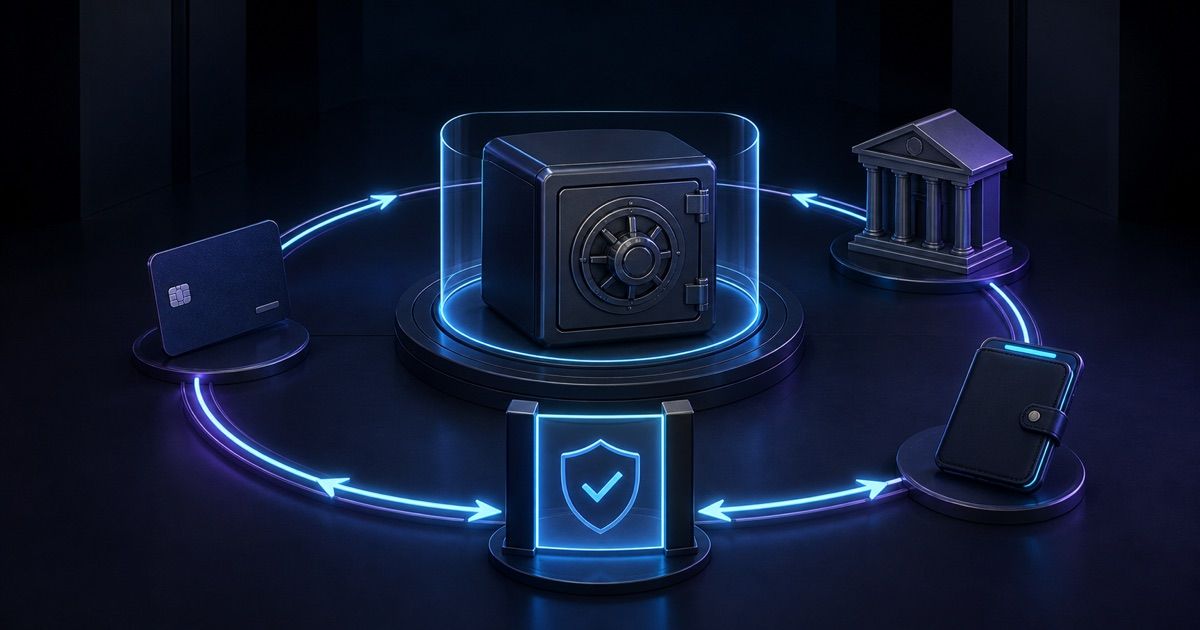
Online casino withdrawals do not always go to whichever payment method you select. Many operators use a closed-loop payment process: money is returned to a verified method that previously funded the account. This can look inconvenient, especially when a faster wallet or bank transfer is available, but the routing rule is mainly designed to reduce fraud and prevent a casino account from being used to move money between unrelated payment sources.
The rule is not identical everywhere. Licence conditions, provider capabilities and the casino's terms all matter. Treat the cashier as a routing system, not as a general-purpose wallet. This guide explains what to check and what to do when the original method is unusable.
What a closed-loop casino withdrawal means
A closed loop connects an outgoing payment to an incoming payment method. If you deposit with your own debit card, for example, the operator may first return eligible funds to that card rather than let you withdraw the full balance to a newly added e-wallet.
The UK Gambling Commission's emerging-risk guidance describes closed-loop systems as best practice and defines them as processing withdrawals and winnings to the same method used for the deposit. It warns that open-loop systems can enable transfers between payment methods and obscure where funds came from or went.
That is an operator-facing risk standard, not a universal transaction formula. A card may accept deposit refunds but not additional winnings. An instant-bank service may accept deposits while payouts arrive by bank transfer. Some products are deposit-only. The practical route depends on provider support and the terms disclosed before play.
Closed-loop routing also does not replace identity or payment ownership checks. Casinos may still verify the account holder and the relevant card, bank account, wallet or crypto address. Our payment name-matching guide explains why using another person's payment details creates avoidable problems.
How casinos may allocate a withdrawal
The simplest case is one verified deposit method and one withdrawal request. The operator returns the permitted amount through that route, subject to its normal review and provider settlement times.
Multiple deposit methods create a routing order. A casino may return deposits to each method first, then send remaining winnings through an eligible route. Another may request a bank transfer for the excess. Do not assume the largest, latest or fastest method receives everything.
For example, a player deposits $100 by card and $50 through a verified e-wallet, then holds $240 after play. Depending on the rules, the operator might return up to $100 to the card, up to $50 to the wallet and route the remaining $90 through an approved method. This illustrates allocation, not a predicted decision.
Before depositing through a second method, ask:
- Does it support both deposits and withdrawals in my country?
- Must deposited amounts be returned method by method before winnings are paid?
- Which route receives any remaining balance?
- Are minimums, fees or currency conversion applied separately to each payout?
- What evidence proves ownership of each method?
Compare those answers with the wider trade-offs in our casino payment methods comparison. A convenient deposit method can be a poor choice if it leaves no clear, affordable withdrawal route.
Why the original method may not appear at cashout
An absent method does not by itself prove a payout problem. Several ordinary technical reasons can explain it.
Deposit-only service: The provider supports money going to the operator but not money coming back. The casino then needs a disclosed alternative, often a verified bank account.
Card limitations: Card withdrawals may be processed as refunds or through a separate payout capability. Support varies by issuer, card type, country and payment processor.
Minimum or maximum limits: A requested amount may sit outside the method's transaction range. Splitting a cashout can also introduce additional fees or review steps.
Currency mismatch: The method may not receive the account currency. Conversion can occur at the operator, payment processor or receiving institution, so check both the fee and exchange-rate basis.
Verification state: A newly added bank account or wallet may remain unavailable until ownership is confirmed. Do not add someone else's details to solve this; it can create a stronger mismatch.
Method no longer active: A card may have expired, an account may be closed or a wallet may no longer serve the player's country. This needs a documented replacement route, not trial-and-error withdrawals.
For timing after the route is accepted, see our guide to casino withdrawal processing and delays. Method availability and settlement speed are separate questions.
What to do with an expired card or closed account
Before requesting the withdrawal, contact support through a verified channel and explain what changed. Ask whether the operator can still pay the old card account, needs issuer evidence or will approve another method. Only the issuer and operator can confirm a specific route.
Use this sequence:
- Save the relevant cashier and withdrawal terms.
- Record the last four digits or other non-sensitive identifier of the old method.
- Obtain evidence of closure or replacement only if the operator requests it through a secure channel.
- Ask which alternative method is permitted and why.
- Verify that the new account is in your own name and can receive the currency and amount.
- Request a case reference and a written summary of the approved route.
- Keep the withdrawal confirmation and final payment record.
Never email a complete card number, security code, seed phrase or banking password. Verification should request only needed evidence through a secure route. The casino customer support checklist shows how to verify contact channels first.
Crypto withdrawals need an asset-and-network match
Crypto adds another layer: the destination must match the asset and blockchain network, not merely the wallet app. The same token can exist on incompatible networks.
Closed-loop principles may lead an operator to prefer a previously verified wallet, but policies differ. Before confirming the transaction, match the asset ticker, network, address, minimum, fee and confirmation requirement. If the operator permits it and the amount justifies the extra fee, a small test transaction can reduce destination risk. Never share a seed phrase or private key; neither is needed to receive a payout.
Use our dedicated crypto casino withdrawal checklist for the full address and network review. A blockchain transfer may be irreversible, so correcting the route before approval matters more than headline speed.
A seven-point pre-deposit routing check
The best time to understand a withdrawal route is before the first deposit. Run this short check for the exact casino, country, account currency and payment method you plan to use:
- Confirm the operator and licence. Verify the legal entity and regulator rather than relying on a logo alone.
- Read the withdrawal section. Look for same-method, closed-loop, refund, excess-winnings and alternative-method wording.
- Check two-way support. Confirm whether the method can receive withdrawals, not just make deposits.
- Map exceptions. Find the process for expired cards, closed accounts and provider outages.
- Check ownership evidence. Know what may be requested and where documents are uploaded.
- Calculate the full route. Include payout minimums, operator fees, provider fees and currency conversion. Our withdrawal fee guide explains the layers.
- Save the answer. Keep dated terms or a support transcript, especially when the cashier display is ambiguous.
For Great Britain-facing operators, the Gambling Commission's payment methods and services condition also sets requirements around the payment service providers operators may use. Other jurisdictions have their own rules, so apply the regulator and terms relevant to your location.
When a routing issue becomes a complaint
A request for ownership evidence or an alternative route can be legitimate. Warning signs include changing explanations, a demand for a new deposit, requests for credentials, payment to a personal account or no supporting term.
Ask support for four precise items: the amount allocated to each method, the reason for that allocation, any missing evidence and the expected next update. If the response does not resolve the issue, use the operator's written complaint procedure and preserve transaction IDs, dates, terms and correspondence. Escalate only through the dispute route named by the relevant licensed operator or regulator.
Do not cancel a pending withdrawal merely to keep playing, and do not open another account or add third-party payment details to force a different route. Those actions can complicate the evidence trail and expose more money to loss.
The practical takeaway
The best casino withdrawal method is not simply the fastest option in the cashier. It is a method you own, can verify, can still access and can use for the full route described in the terms. Closed-loop processing explains why a payout may return to a deposit source, but provider limits and excess-winnings rules decide how the route works in practice.
Map that route before depositing, minimise unnecessary payment-method changes and get exceptions confirmed in writing. Clear routing does not guarantee a fast payout, but it gives you a more reliable basis for comparing operators and challenging an unexplained decision.
18+ only. Gambling involves financial risk and can become harmful. Use responsible gambling tools, set limits and seek qualified local support if gambling is affecting your finances or wellbeing.
Affiliate disclosure: CasinosChoice may receive a commission when readers visit or register with selected operators through partner links. This does not affect the price paid by the reader or our editorial criteria.
Related articles
- Progressive Jackpot Eligibility: What to Check
Check jackpot entry settings, qualifying stakes, funding balances and prize levels before playing, with practical questions and a clear cost example.
- Gambling Blocking Software: A Device Setup Checklist
Choose gambling blocking software by device coverage, restriction rules and support, then follow a practical setup and maintenance checklist.
- Stablecoin Casino Risks: USDT and USDC Safety Checks
Understand stablecoin value, issuer controls and casino balance conversion, with practical questions to check before depositing USDT or USDC.